
Why Healthy Skin Begins with a Strong Barrier
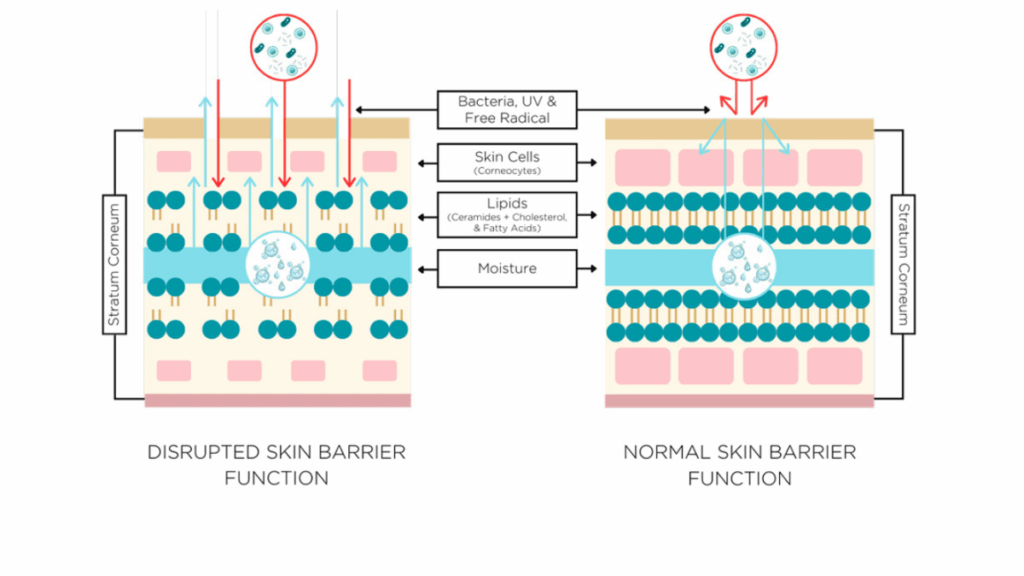
Dry, dull or sensitive skin typically indicates one thing, a damaged skin barrier. Also known as the stratum corneum, your skin barrier is the outermost layer of your skin and is vital to achieving a healthy and balanced complexion.
What is your Skin Barrier?
Think of your barrier as your skin’s natural shield that works to keep the good guys in and the bad guys out. It’s your first line of defence against harmful elements – and you know what they say, a strong defence is a good offence! Made of tightly packed skin cells held together by lipids such as ceramides, cholesterol, and fatty acids, your skin barrier works in three simple ways to:
- Protect your skin from external irritants, allergens, pollution, and bacteria
- Lock in moisture and prevent dehydration
- Maintain balance by regulating what moves into and out of the skin
When these elements are in harmony, your skin looks smoother, clearer, and more radiant.
What Is an Impaired Skin Barrier?
An impaired or ‘damaged’ skin barrier occurs when this protective layer becomes weakened or disrupted causing it to not function properly. This results in your skin becoming more vulnerable and reactive, and less able to retain moisture.
Common signs of an impaired skin barrier include:
- Redness and irritation
- Dryness or flaking
- Increased sensitivity
- Tightness or discomfort
- Breakouts or inflammation
- Burning or stinging when applying skincare
What Causes an Impaired Skin Barrier?
Several internal and external factors can compromise the skin barrier. Some of the most common include:
- Over-Exfoliation: Excessive use of scrubs, AHAs, BHAs, or retinoids can disrupt the lipid matrix and irritate the skin.
- Harsh Cleansers or Cleansers with Incorrect pH: Cleansers that strip natural oils or have a high pH can weaken the skin’s protective film.
- Climate & Environmental Stress: Strong UV exposure, dry indoor heating, wind, saltwater, and pollution can all contribute to barrier breakdown.
- Stress & Lack of Sleep: Stress and lack of sleep can impair skin repair processes, making the barrier less resilient.
- Skin Conditions: Concerns such as eczema, dermatitis, or rosacea are often associated with a compromised barrier.
How to Improve and Maintain Your Skin Barrier
The right routine and support can restore your skin barrier for a healthier, calmer complexion. Some tips include:
- Simplify Your Routine: When the barrier is impaired, less is more. Reduce active ingredients and stick to gentle, supportive products until your skin stabilises.
- Prioritise Barrier-Building Ingredients: Look for Gentle, pH-Balanced Cleansers, products containing ceramides, hyaluronic acid, niacinamide, fatty acids, cholesterol, and panthenol (B5). These help replenish lost lipids, support moisture retention, and calm inflammation.
- Protect Your Skin from UV Damage: Daily sunscreen is non-negotiable, especially in Australia. UV exposure weakens the skin barrier and accelerates moisture loss. Choose broad-spectrum SPF 30+ or higher.
- Avoid Over-Exfoliating: Limit chemical and physical exfoliation while the skin recovers. When reintroducing actives, do so slowly and with professional advice.
- Consider Professional Treatments: Treatments that focus on hydration, repair, and reducing inflammation, such as gentle barrier-strengthening facials or LED light therapy can accelerate results. A personalised skin assessment is ideal for choosing the right approach.
The bottom line?
If you’re experiencing sensitivity, dullness, or ongoing skin concerns, your barrier may be the missing piece. Strengthening it creates the foundation for every other treatment to work effectively. Book a consultation with a clinician who can assess your skin barrier and make appropriate treatment and skincare recommendations for you.